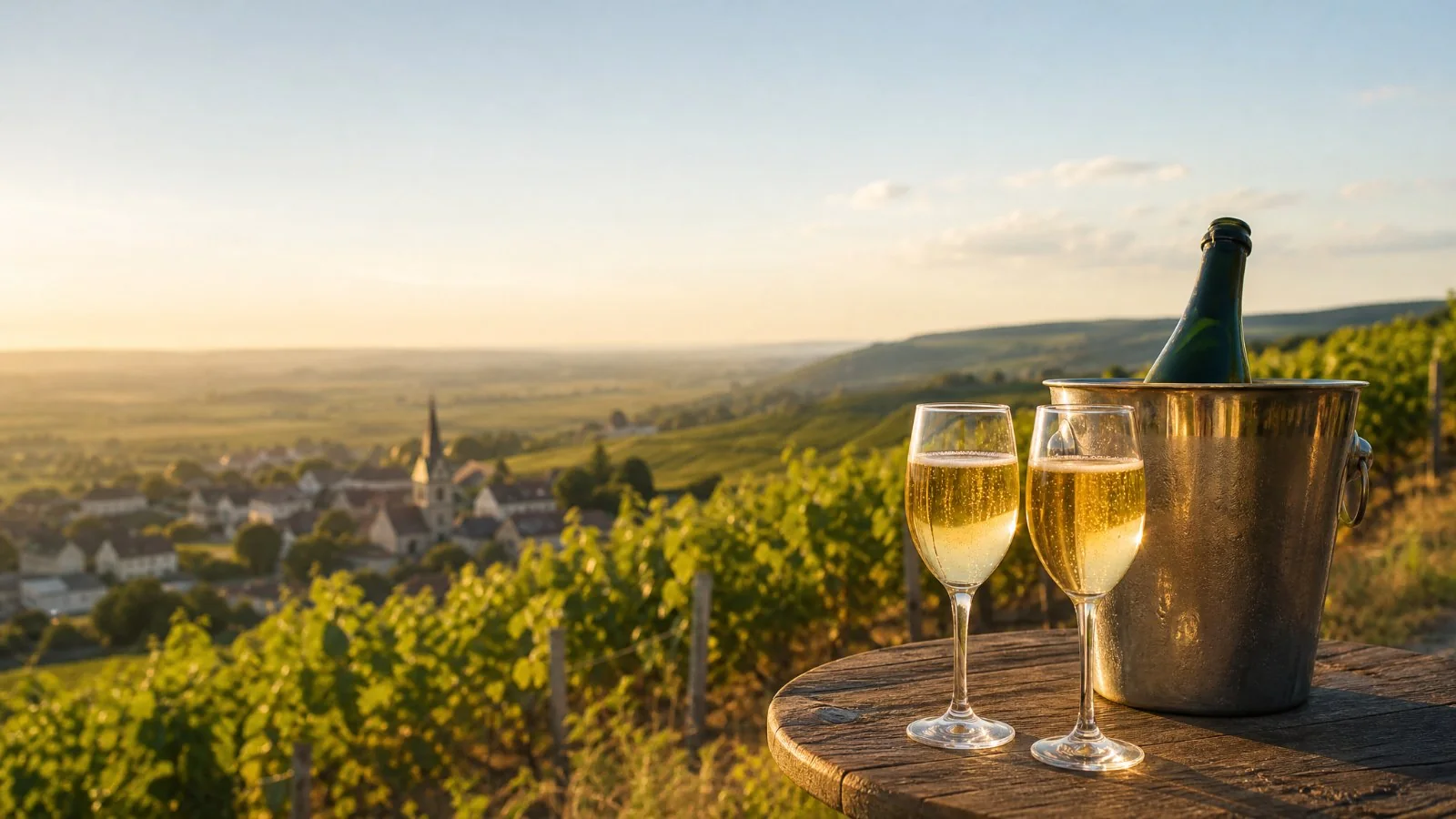
The chalk hills around Reims and Épernay, 45 minutes from Paris by TGV, where every bottle called Champagne is made.
Walk the cellars 30 metres underground, taste a family grower's wine among the vines, then sit down to lunch at a winemaker's table.
Houses namedWhich cellars each tour actually visits
Real guest quotesFrom verified bookings on each listing
Free cancellationUp to 24 hours before on almost every tour
No driving after tastingPickup and drop-off in Paris
Tours
Choose your Champagne tour
In the centre, the most-booked day: a big house, a family estate and lunch.
Either side, a small group with Hautvillers and a day with the cathedral and a three-course lunch. Every card opens a full tour page.
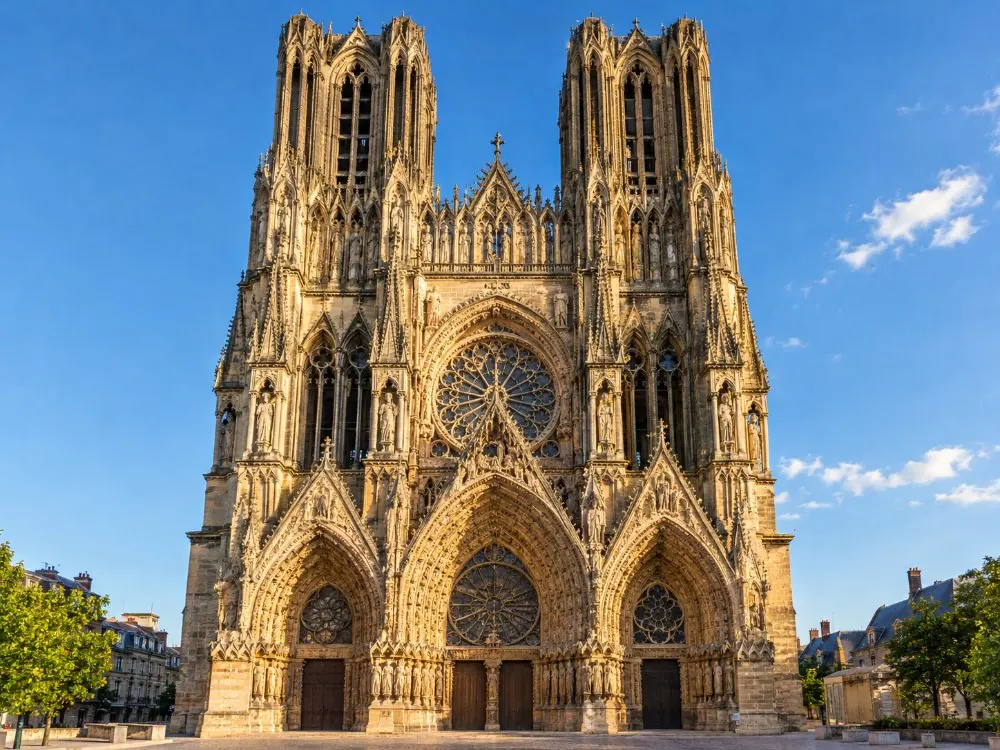
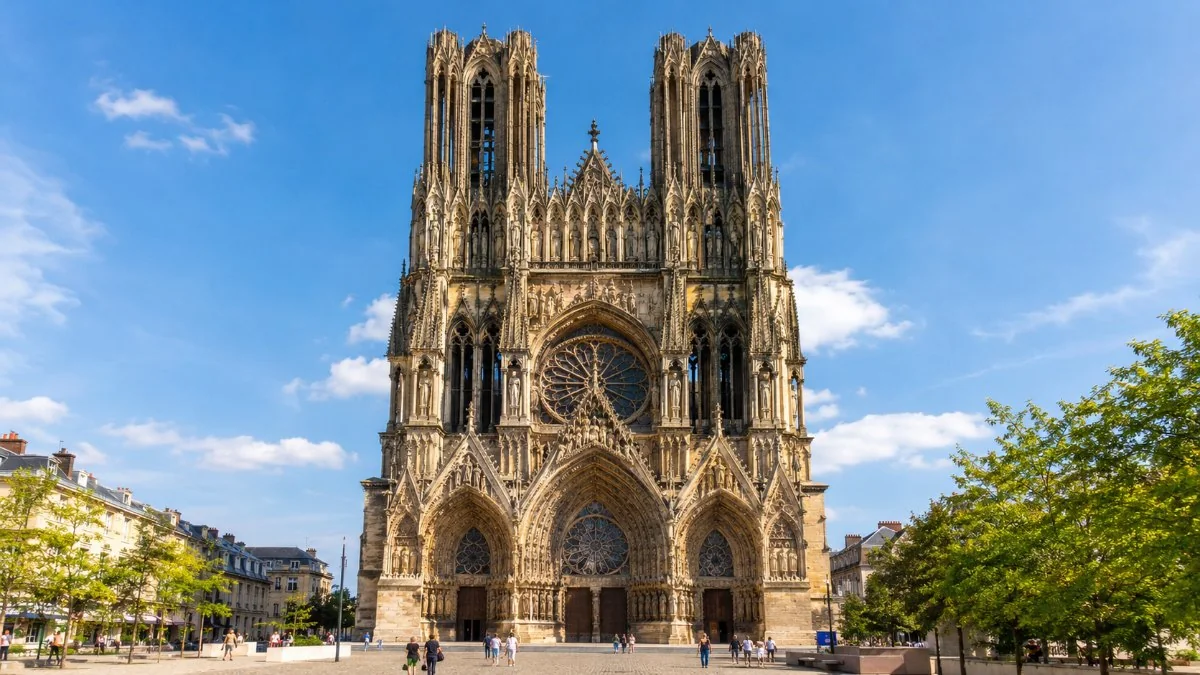
Reims Cathedral, a family winery and the Nicolas Feuillatte cellars, then Dom Pérignon's abbey in Hautvillers. Three glasses at each house; lunch is not listed as included.
A famous Champagne house in the morning, a family estate or cooperative after lunch at a winemaker's table. At least eight tastings, in a minivan of eight.
What's included
Guided visit and tasting at a major Champagne house
Second visit at a family estate or a cooperative
Lunch paired with at least 3 Champagnes
Hotel pickup in central Paris, drop-off at Hôtel de Ville
Two Champagne houses, Reims Cathedral, a three-course lunch in Épernay and a photo stop on the Avenue de Champagne. Picked up and dropped off at your hotel.
Three questions sort it out. Do you want a famous name or the small growers? Is lunch part of the plan?
And would you pay more for a private car and your own pace?
Every day trip includes the ride from Paris and back. Free cancellation up to 24 hours before,
except the private Veuve Clicquot half day (3 days). Big houses are named "subject to availability" on most listings.
Before you book
45 minutes by train, eleven hours by tour.
Here is the thing nobody selling a tour tells you: the TGV from Paris Est reaches Reims in about 45 minutes, and the
big houses such as Mumm and Veuve Clicquot sell their own cellar visits online. You can do Champagne on a
train ticket. Our train guide shows how, and we earn nothing from it.
What the train cannot do is get you to the growers. Many of Champagne's 16,000 growers work in villages away from
the railway and open their cellars by appointment, if at all. A tour stitches a big house, a family estate and a vineyard
stop into one day, books the slots, and drives you home after six or eight glasses. That is what the 11 hours buy,
and about four of them are spent in the van.
0.5
Grams of alcohol per litre of blood: France's drink-drive limit. A day of
tastings and that limit do not mix, which is why hiring a car for a cellar day is a bad plan.
Big housesFamily growersPrivate carTrain and walk
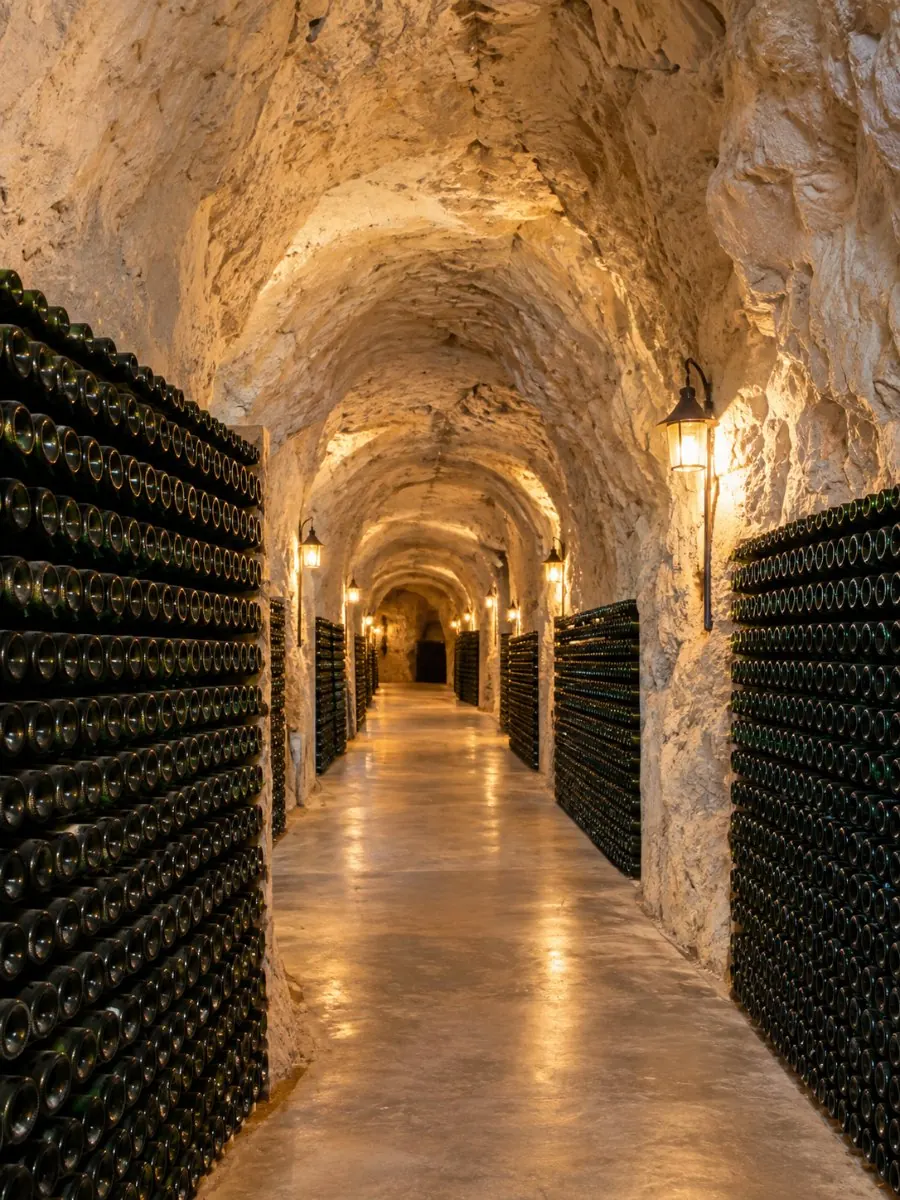
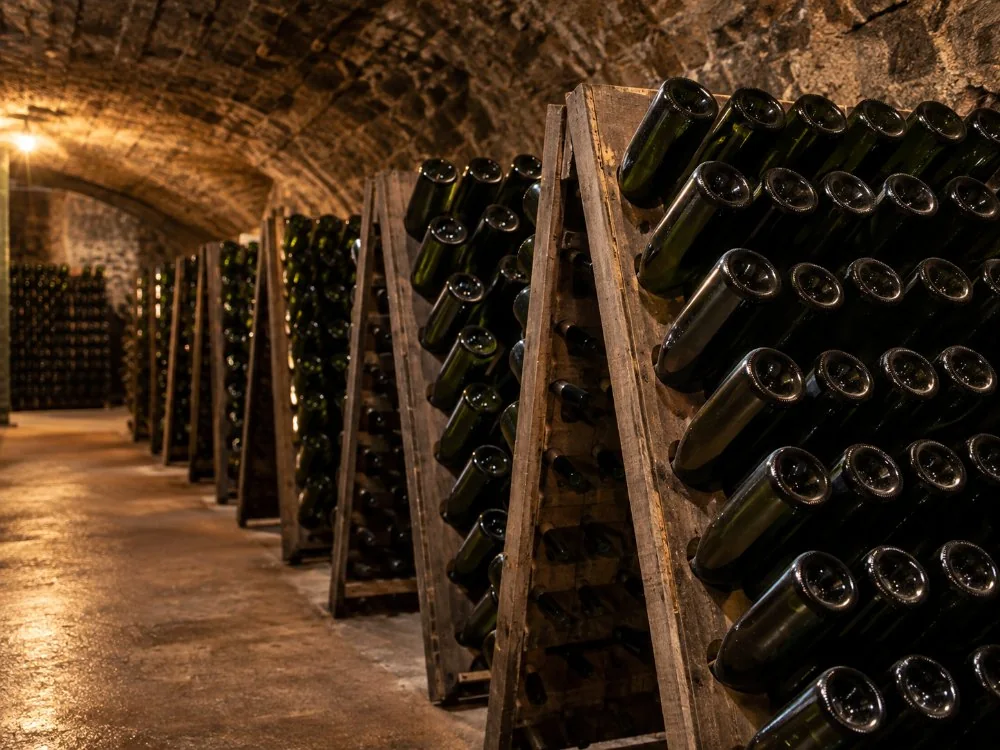
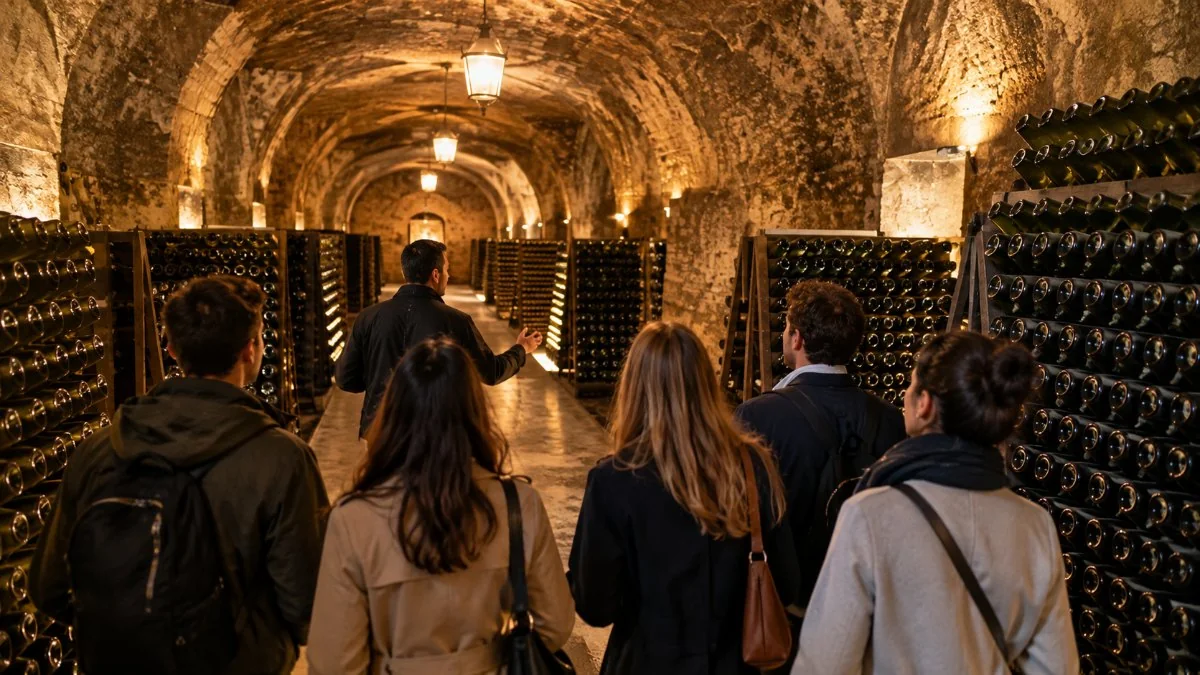
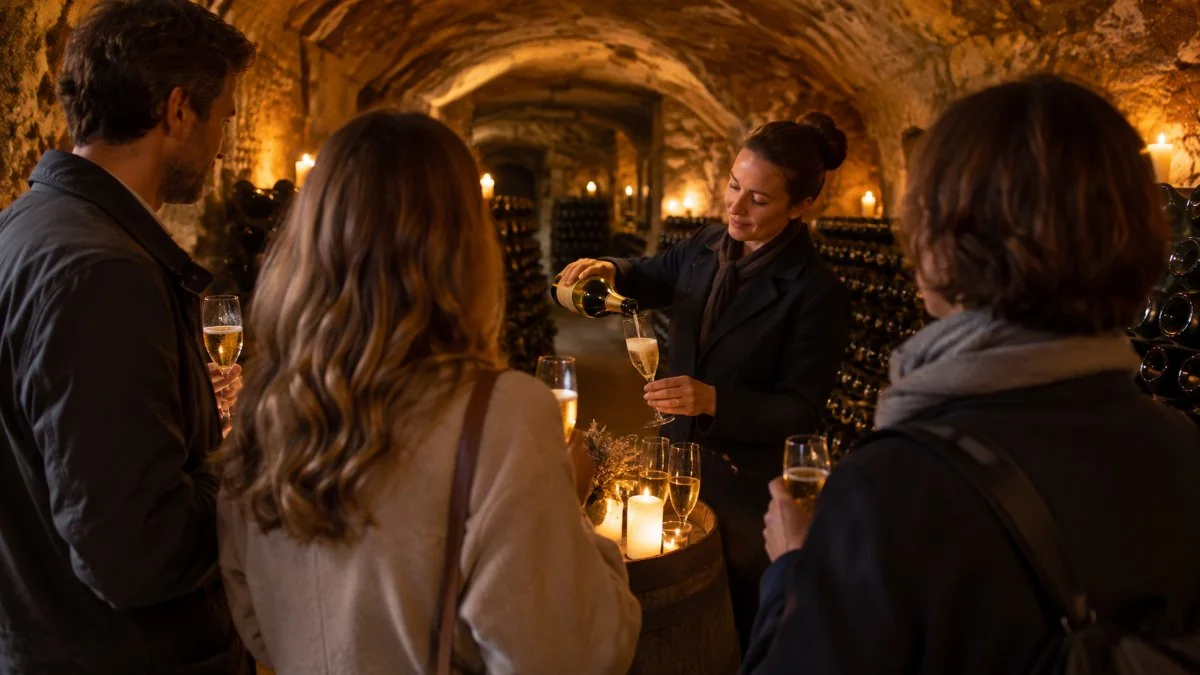
The crayères of Reims: chalk quarries turned into cellars, part of the UNESCO listing since 2015.
01
Which houses?
Most listings name the big house "subject to availability". If one name matters, book a tour that guarantees it.
02
Is lunch included?
On the 8-tasting day and the cathedral day, yes. On the two cheapest, plan to pay for your own.
03
How many glasses?
Six to eight on the small-group days. Private trips pour 2 to 4 per house, often older cuvées.
04
Who should skip it?
Anyone who hates long days in a van. Take the TGV to Reims and book one cellar instead.
Your day
How a Champagne day runs
Ten to thirteen hours door to door, back in Paris in the early evening. This is the shape of it.
01
Pickup in Paris
From your hotel or a central meeting point, usually around 7 to 8 a.m., then east on the A4 by minivan or car.
About 2 hours
02
A big house
A guided walk through the chalk cellars, the riddling racks and the ageing bottles, then the first tasting.
About 1.5 hours
03
Lunch
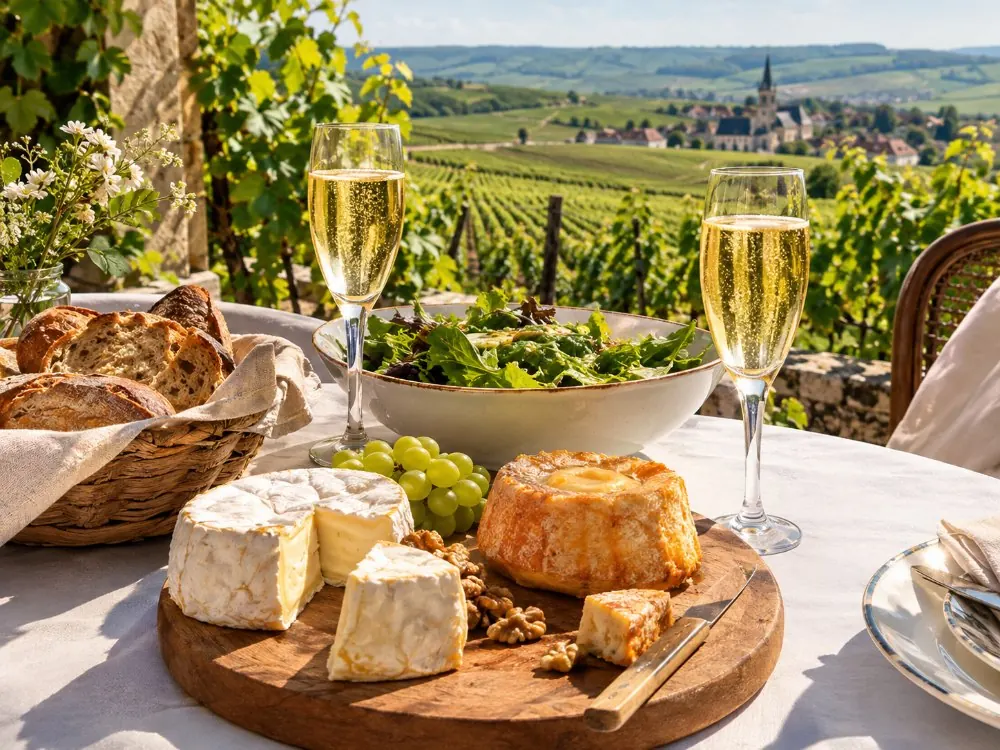
A three-course lunch with Champagne, or free time in Épernay to choose your own, depending on the tour.
1.5 to 2 hours
04
Growers and vines
A family estate or cooperative, a walk in the vineyards or a stop in Hautvillers, then the drive back.
Season, what the price covers, the train option and what to wear: one tab each.
May and June: green vines, long days, fewer people than summer.
July and August: the busiest months; book cellar slots and tours well ahead.
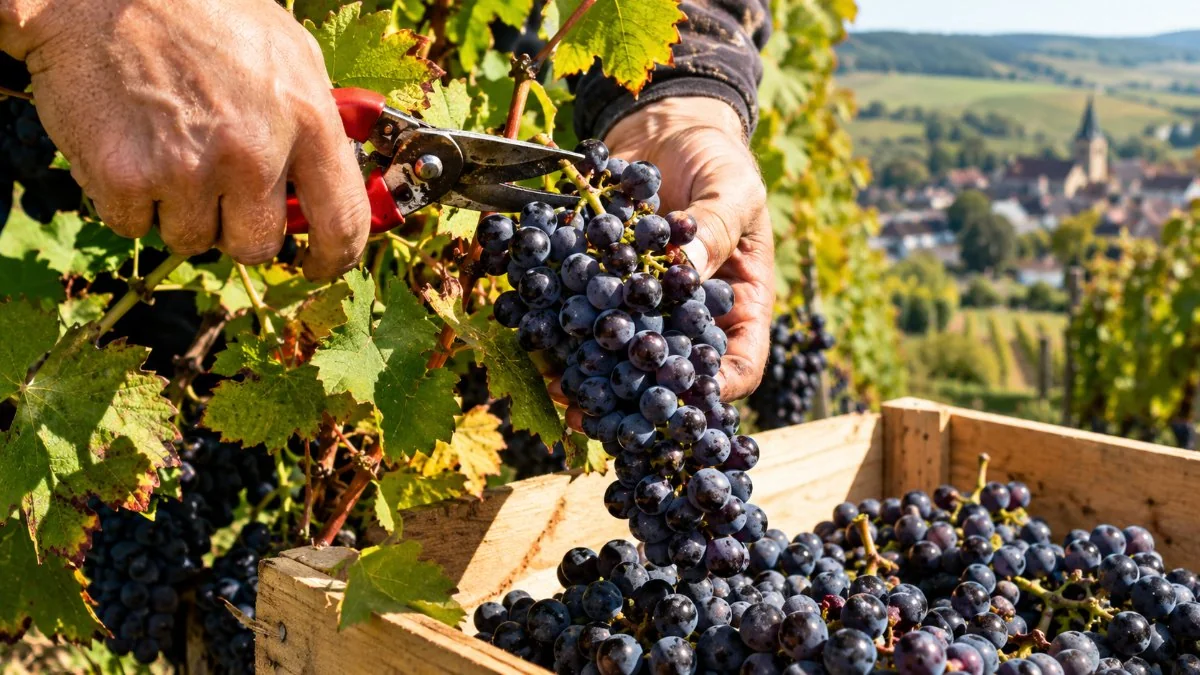
Late August to early October: the harvest. In 2026 picking opened on the earliest dates ever recorded.
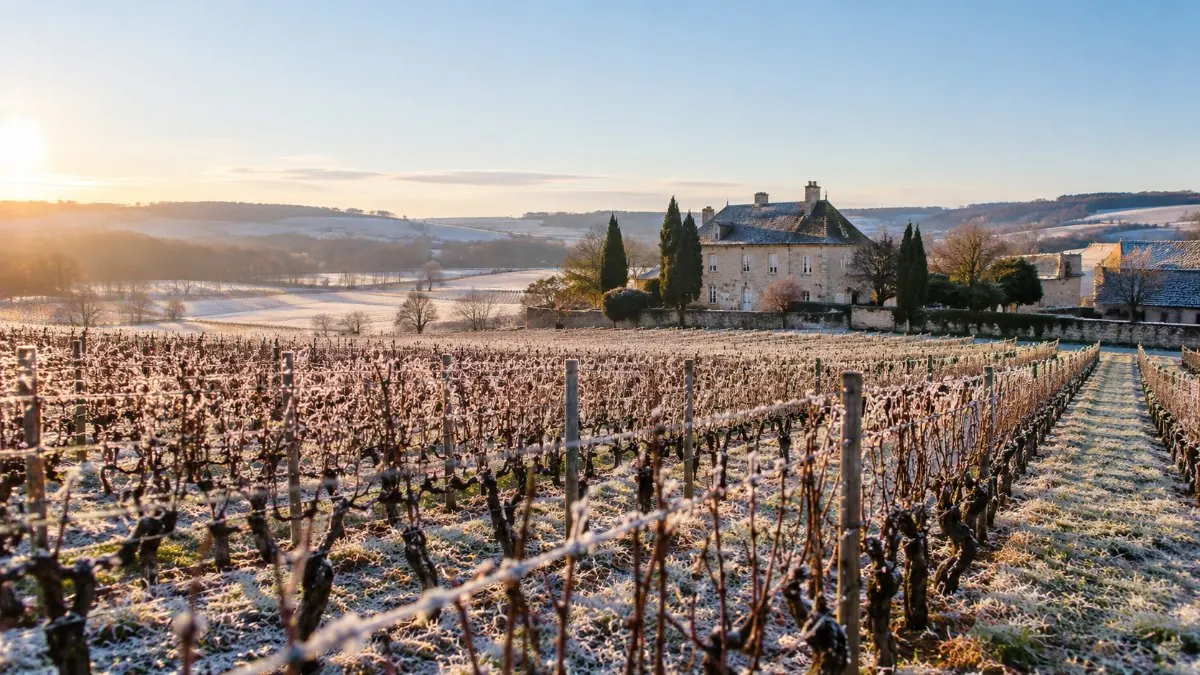
November to March: quiet and cheaper, but several houses cut their opening days and the vines are bare.
All year: the cellars stay at 8 to 12°C, so a cellar visit works in any weather.
Small-group days: the ride from Paris, the guide and the tastings; two of them include lunch.
Private trips: your own car and driver, with the famous houses booked by name.
On your own: you pay the house for each cellar visit, plus the train, lunch and any taxi.
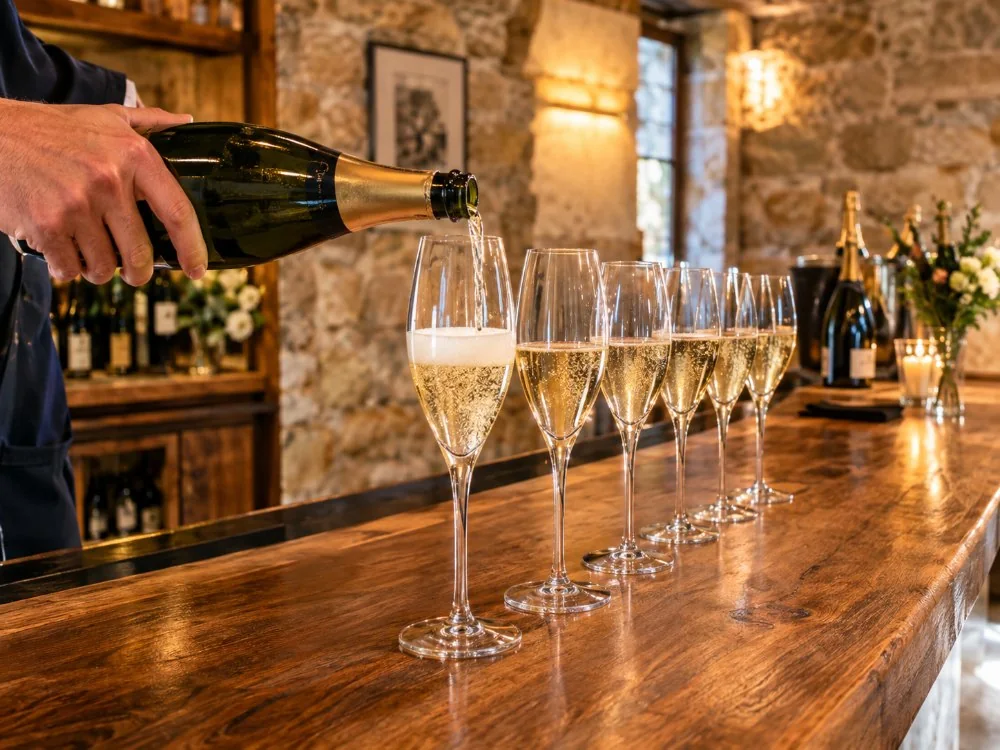
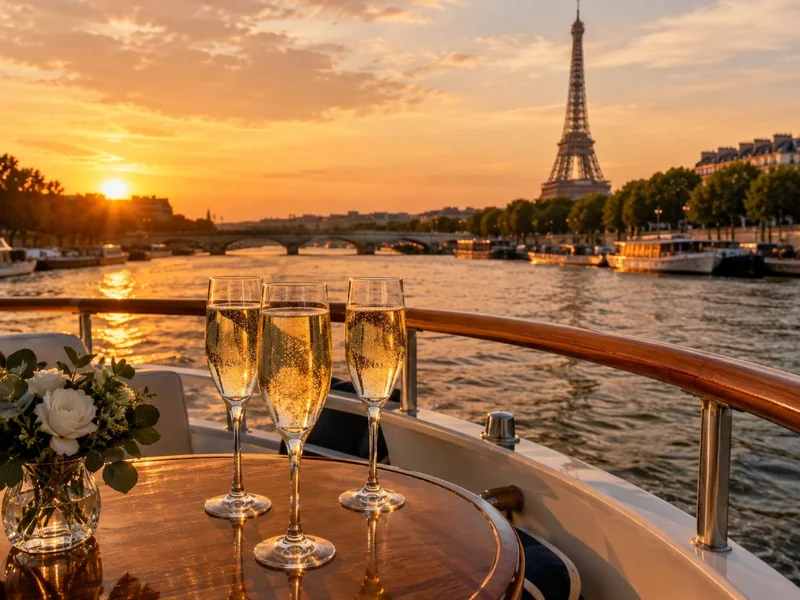
Champagne on the Seine: three glasses with a wine guide, without leaving Paris.
Live prices for your date are on each booking page.
TGV Paris Est to Reims: about 45 minutes, roughly 13 to 15 trains a day.
Paris Est to Épernay: about 1 hour 15 by regional train. There is no TGV to Épernay.
Reims to Épernay: 34 minutes by TER, up to two trains an hour.
On your own you reach the big houses easily, the villages and growers hardly at all. Full plan in the train guide.
A warm layer: cellars sit at 8 to 12°C even in a heatwave.
Flat, closed shoes. Pommery has 116 steps down, and vineyard paths get muddy.
Smart casual is plenty. No house has a dress code for visitors.
Space in your bag if you plan to buy bottles; check your airline's liquid rules before you fly home.
Reims45 min by TGVCathedral city with Mumm, Taittinger, Pommery, Veuve Clicquot and Ruinart.
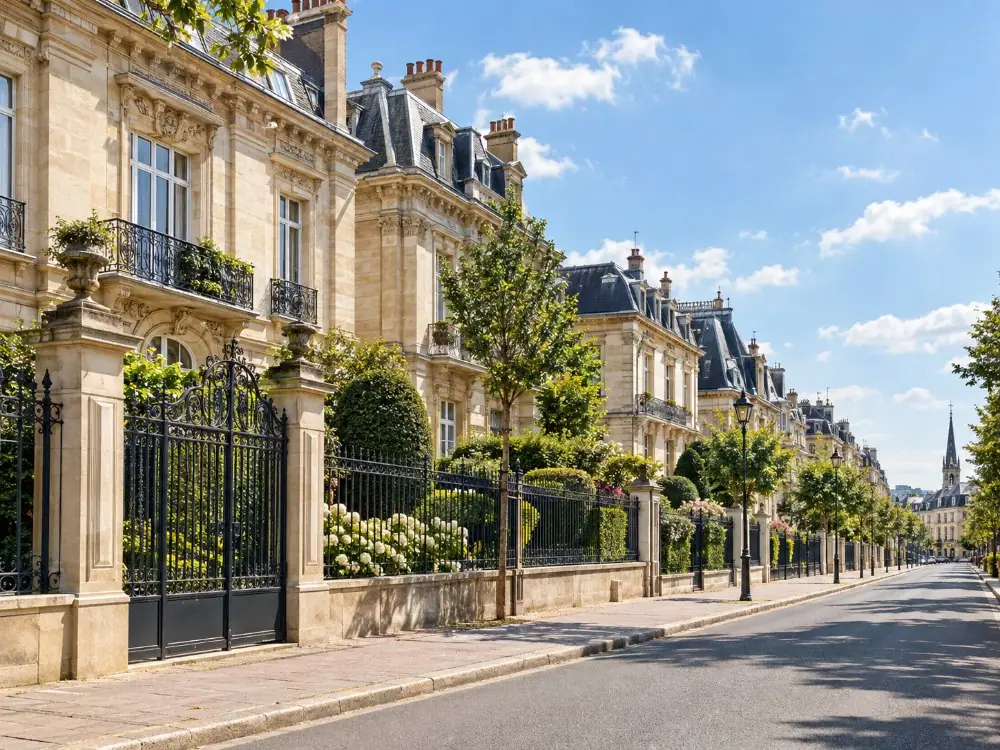
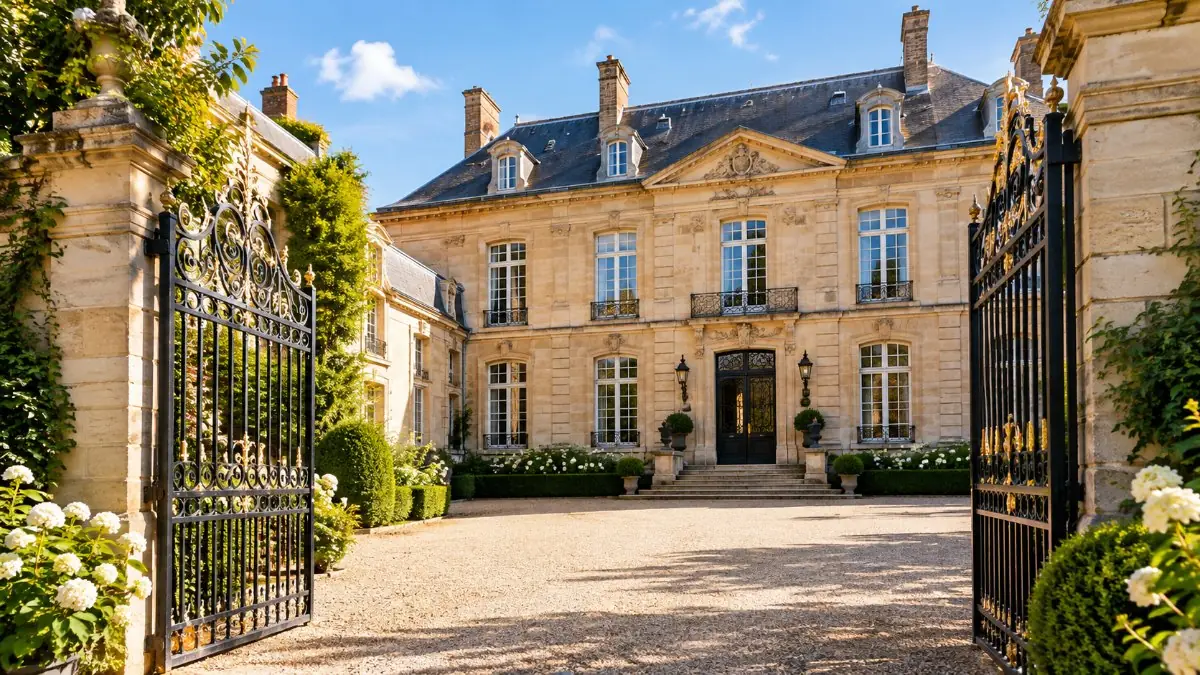
ÉpernayAbout 1 h 15The Avenue de Champagne: Moët & Chandon, Mercier and more than 110 km of cellars.
HautvillersCar onlyThe hill village where Dom Pérignon was cellar master, above the Marne.
On a tour6 to 8+ glassesThe number to compare, along with which houses are named.
IncludedThe ridePickup and drop-off in Paris on every day trip here.
Refund24 hoursFree cancellation up to a day before, three days on one private trip.
Where it happens
Champagne on the map
East of Paris, pickup included
Pickups: your Paris hotel, or a central meeting point such as Ternes
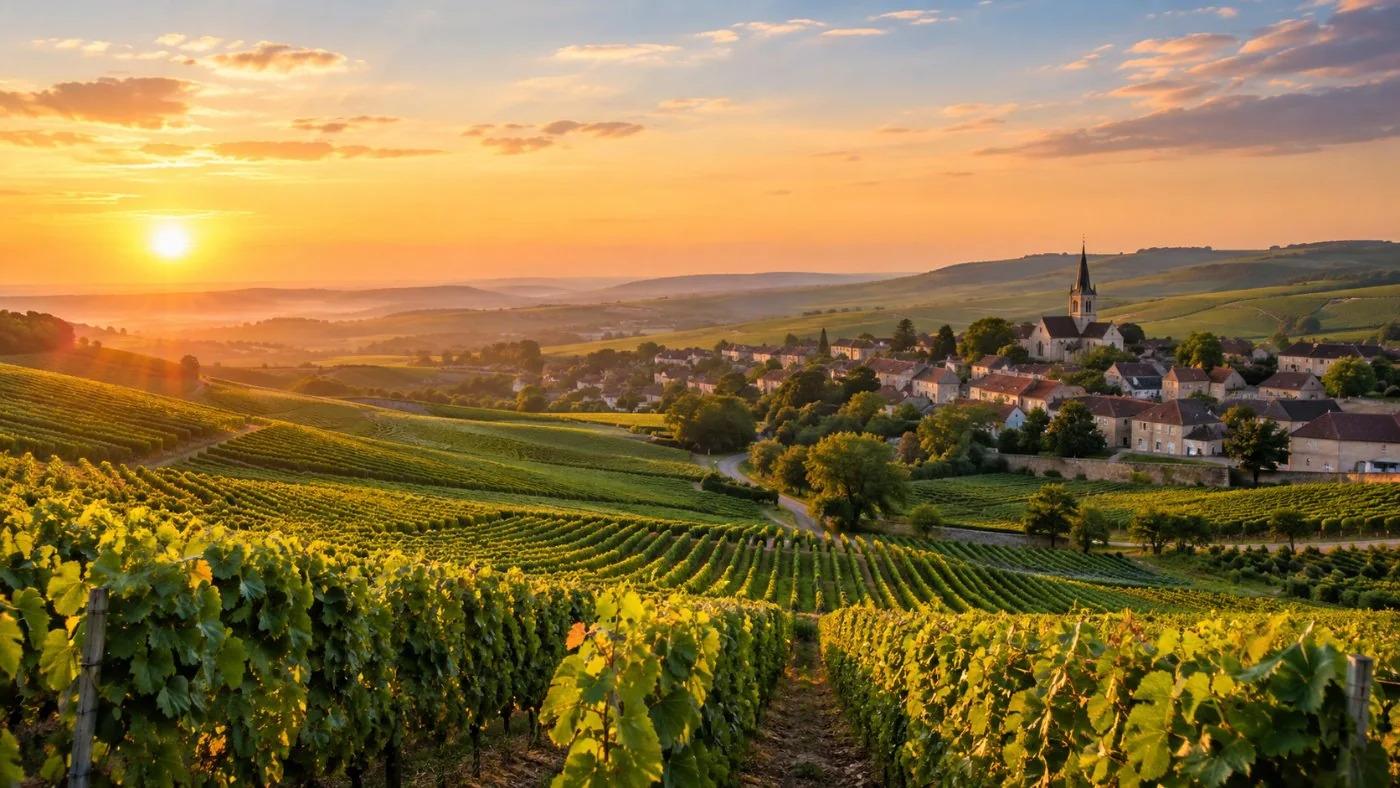
Champagne is a region, not a town: about 34,200 hectares of vines in 319 villages, around 150 km north-east of
Paris. The day trips head for its two towns, Reims and Épernay, and the hillside villages between them, such as
Hautvillers and Aÿ. You never need a car of your own.
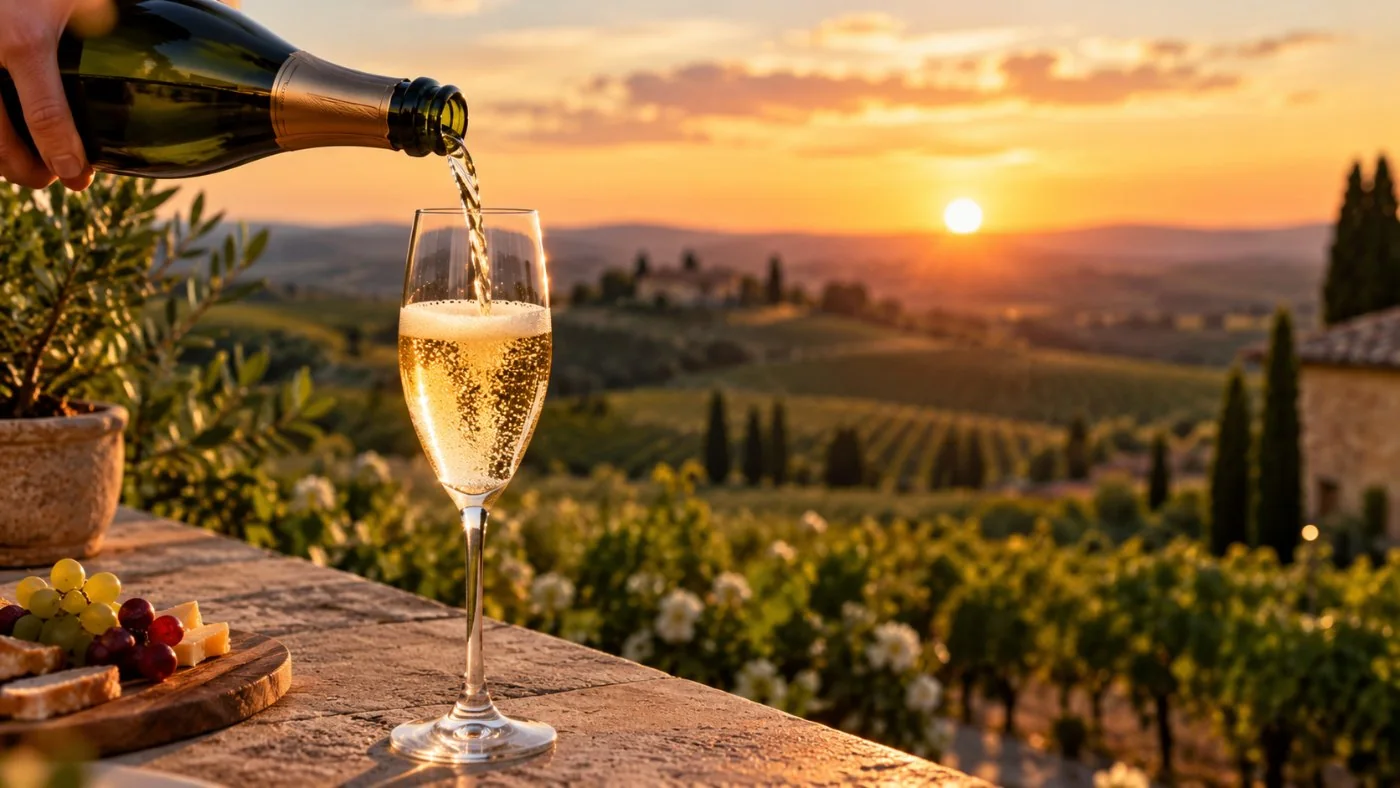
No time for an 11-hour day? Ô Chateau pours three Champagnes, usually a Brut, an Extra-Brut and a rosé, in a private salon at the front of a Seine boat, with a wine guide explaining the labels. One hour, from the foot of the Eiffel Tower.
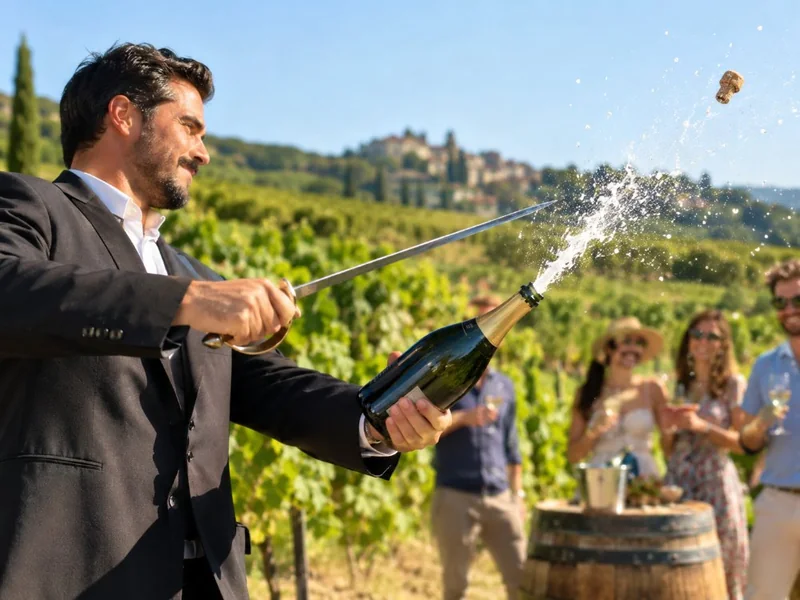
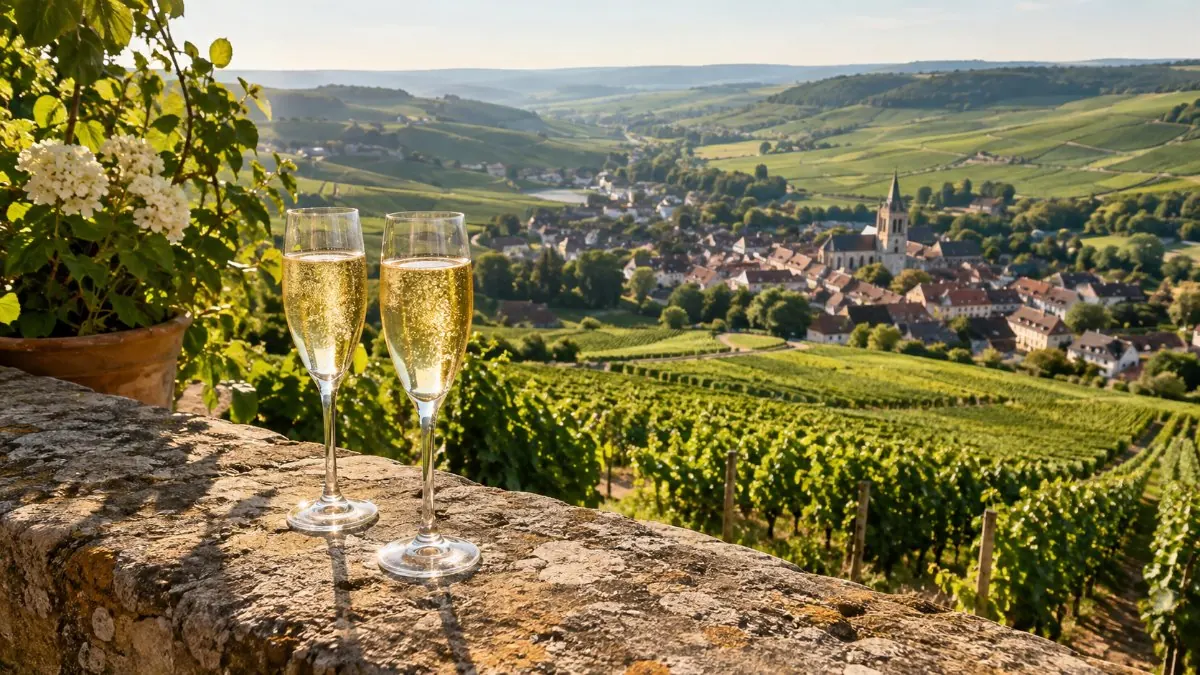
Every Champagne tour from Paris looks the same in the photos: a glass, a cellar, a vineyard. They are not
the same day. Here is how to read them.
What Champagne actually is
Champagne is a place before it is a drink. Only sparkling wine made inside the delimited appellation, about 34,200
hectares spread over 319 villages, and fermented a second time in its own bottle, may carry the name. Non-vintage
wine must rest at least 15 months before release, vintage at least three years; in practice the houses wait longer.
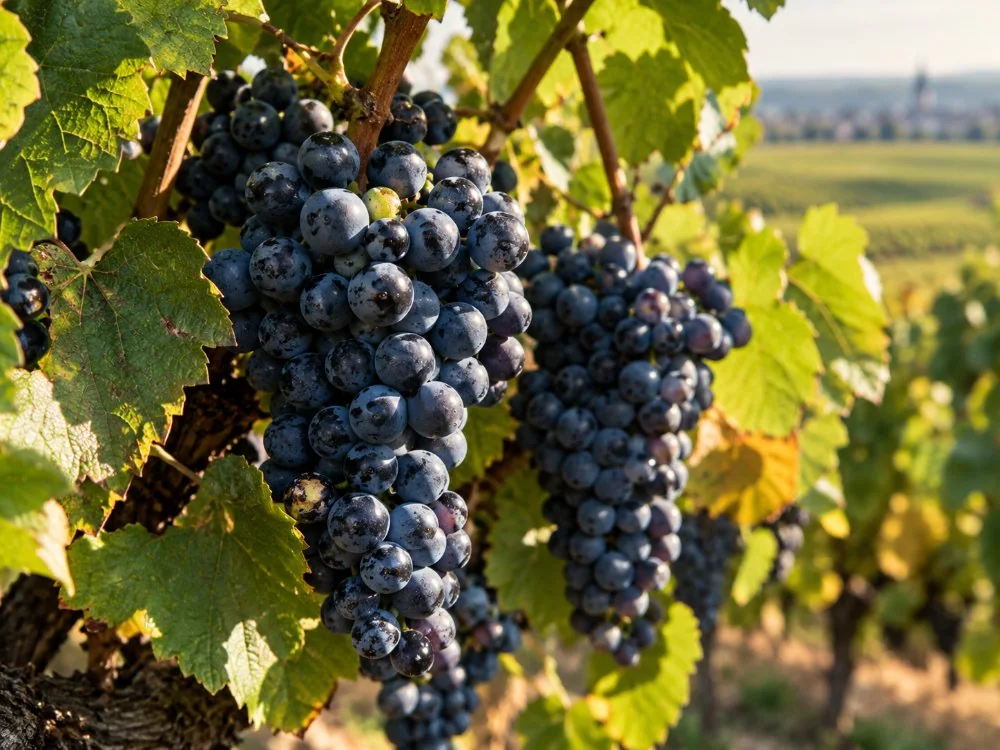
Three grapes do almost all the work: Pinot Noir, Chardonnay and Meunier, planted in roughly equal thirds.
The trade has two halves. About 16,000 growers own most of the vines, and a few hundred houses buy grapes, blend
and sell the famous labels. A good day trip shows you both, because the difference between a Moët cellar holding
millions of bottles and a family estate pouring its own Pinot Noir is the whole story of the region.
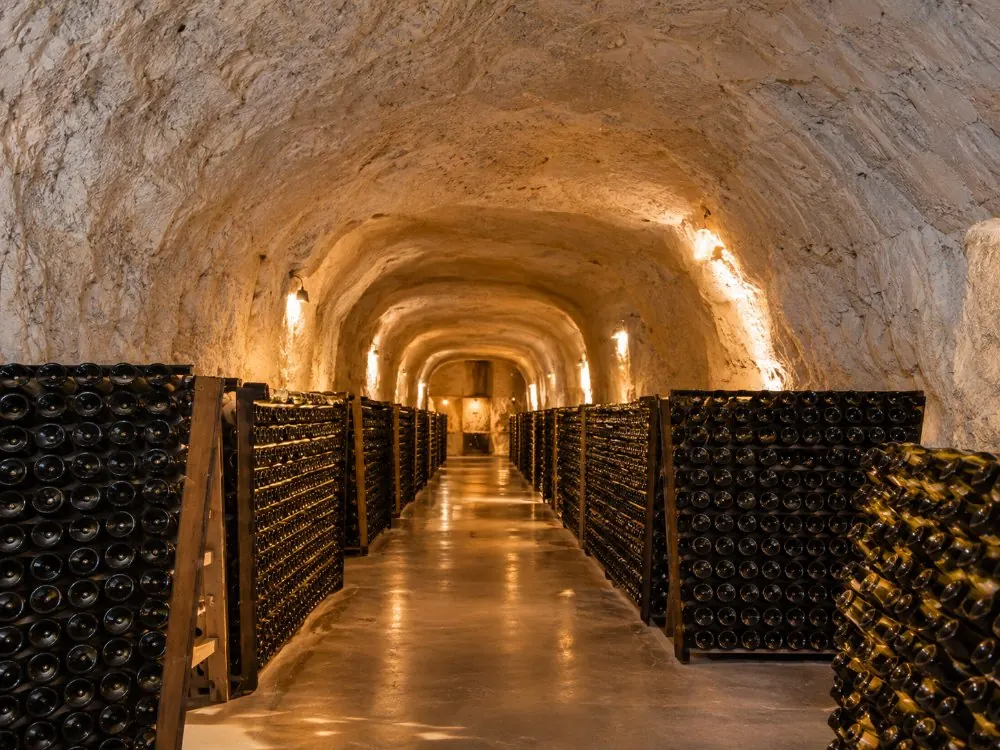
Cellar tours run in the chalk under Reims and Épernay, where the temperature hardly moves all year.
Big house or family grower
The big houses run polished visits: a film or a history talk, a long walk through the cellars, then one to four
glasses in a tasting bar. They are worth seeing once. Moët & Chandon alone has 28 km of galleries; Épernay as a
whole has more than 110 km. Growers are another world: a farmyard, a press house, the person who made the wine. Many
take visitors by appointment only, and their villages are off the railway, which is where a tour earns its price.
Watch the wording. Nearly every listing names the big house "subject to availability", and the house you get may
not be the one in the photo. If a single name matters, the private
Moët and Veuve Clicquot day books both by name.
The honest small print: Reims is 45 minutes from Paris by TGV, and you can book a Mumm or Veuve
Clicquot visit yourself, direct with the house. A tour costs more because it adds the growers, the vineyard stops,
lunch and a driver. If one big house is all you want, take the train.
Reims, Épernay and the villages
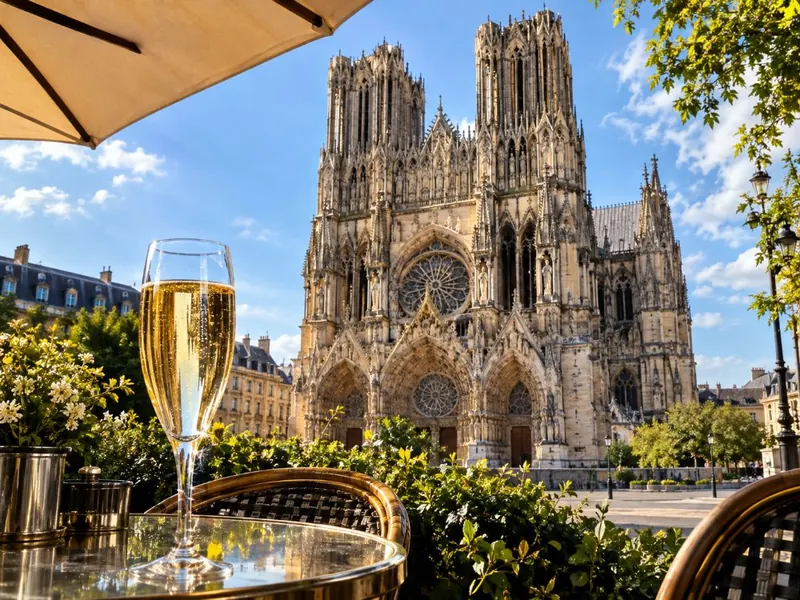
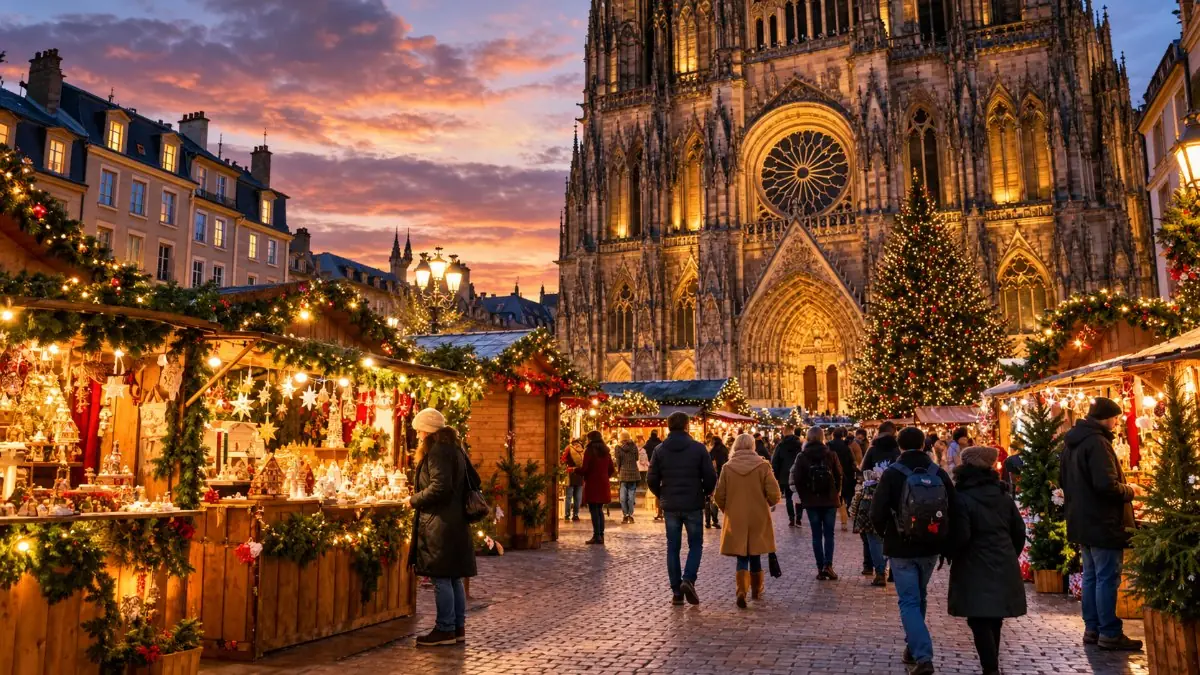
Reims is a real city, with the Gothic cathedral where French kings were crowned and the great houses dug into old
chalk quarries on Saint-Nicaise hill. Épernay is small and built around one street, the Avenue de Champagne, lined
with the houses' grand facades. Between them, on the slopes above the Marne, sit villages such as Hautvillers, where
Dom Pérignon kept the abbey cellars, and Aÿ. Together the hillsides, the Reims cellars and the Épernay avenue have been
a UNESCO World Heritage site since 2015. Our Reims or Épernay guide sets them side by side.
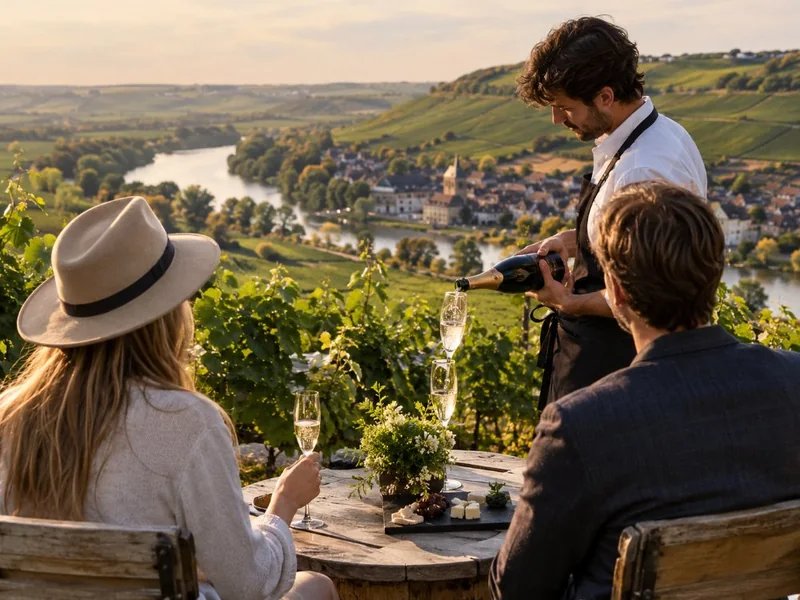
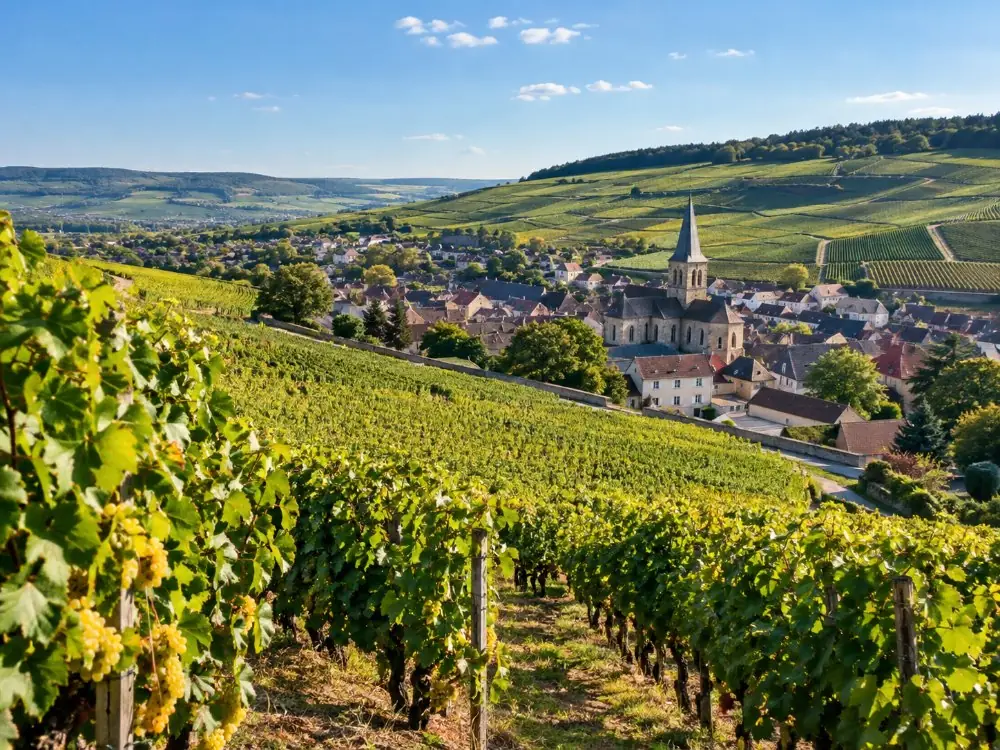
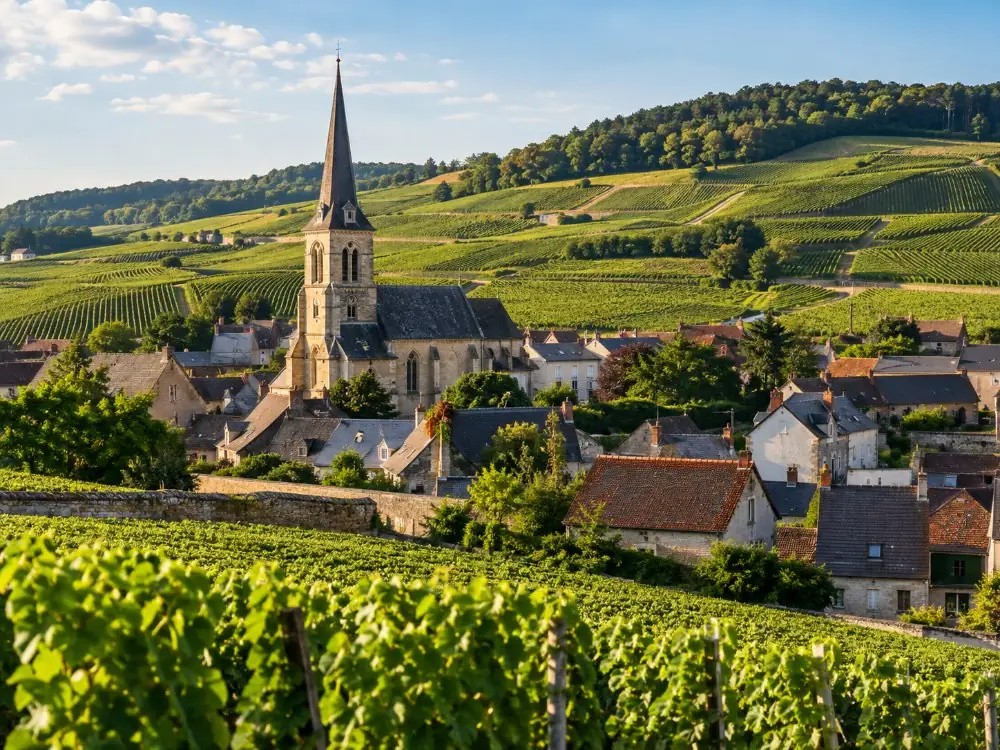
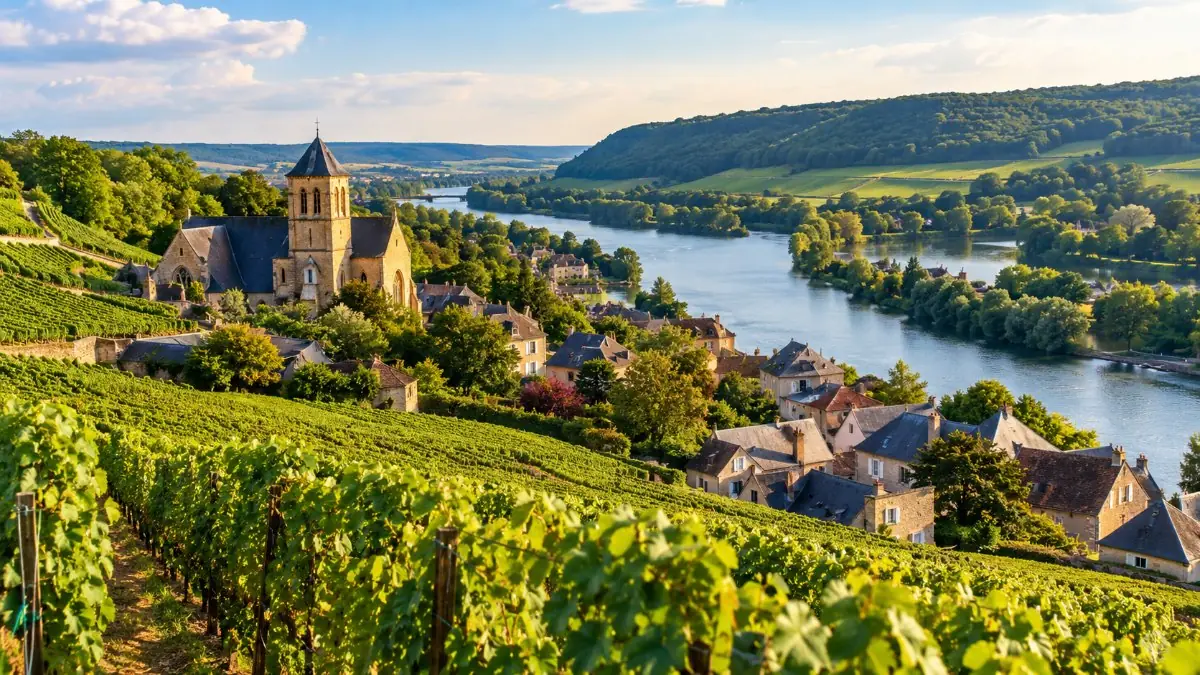
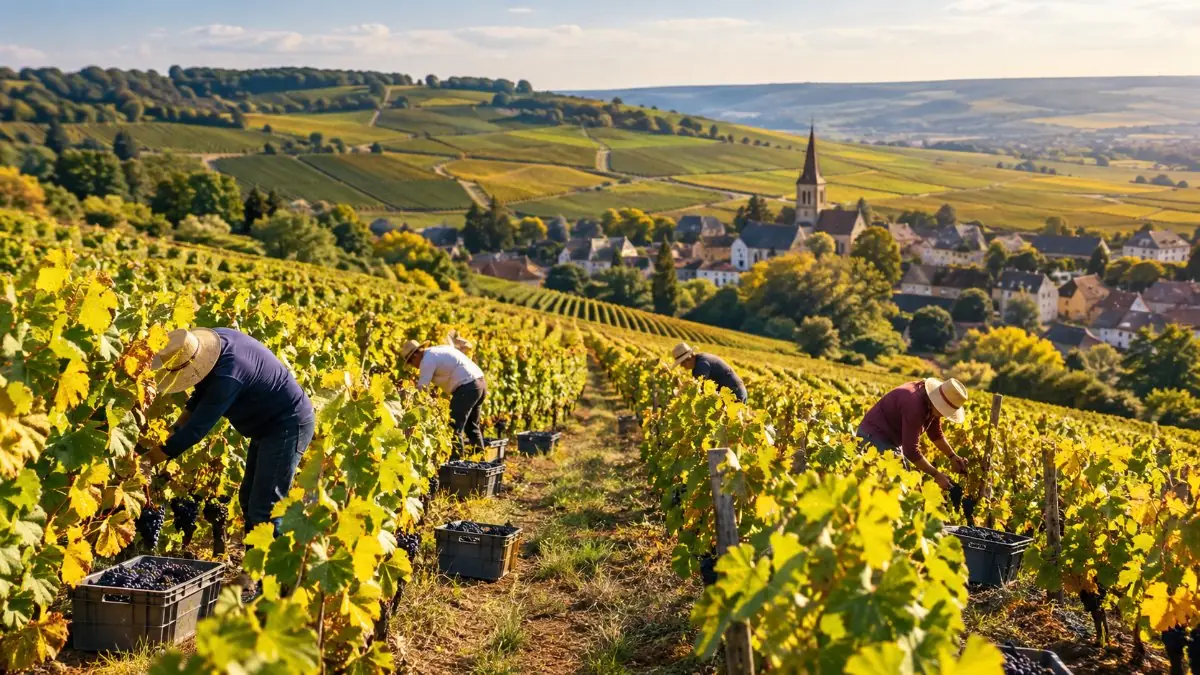
The hillsides above the Marne, around Hautvillers, are part of the UNESCO listing.
Timing it
Harvest, from late August into early October, is the most alive time to go, with picking crews in every row and
presses working in the villages; in 2026 it started on the earliest dates ever recorded. May and June are green and
calmer. Winter is fine for cellars, which sit at 8 to 12°C whatever the weather, but houses trim their days from
November: Veuve Clicquot closes Mondays and, from late October, Tuesdays too. Book two or three weeks ahead for summer
and harvest weekends.
Straight answers to what people ask most about Champagne tours from Paris.
Is a day trip to Champagne from Paris worth it?
Yes, if you like wine and do not mind a long day. Tours run 10 to 13 hours, and about four of those are the minivan there and back. What you get for it: chalk cellars, a family grower you could not visit on your own, lunch in the vineyards and six to eight glasses without anyone having to drive. The full case is in is a Champagne day trip worth it.
How do I get to Champagne from Paris?
By TGV from Paris Est to Reims in about 45 minutes, by regional train to Épernay in about 1 hour 15, or by road in about 1 hour 30. Every tour on this site picks you up in Paris by minivan or car. Train times and tickets are in Paris to Champagne by train.
Is there a high-speed train from Paris to Champagne?
Yes, to Reims: the TGV INOUI from Paris Est takes about 45 minutes, with roughly 13 to 15 trains a day. There is no TGV to Épernay. Take a regional train from Paris (about 1 hour 15) or the 34-minute TER from Reims.
Can you visit Veuve Clicquot without a tour?
Yes. You book a cellar visit with the house itself and get to Reims on your own. Book ahead: Veuve Clicquot works by reservation and is closed on Mondays (and on Tuesdays from late October). Moët & Chandon in Épernay is the one big house that says it takes walk-ins, places allowing. See visiting the houses on your own.
Is Épernay better than Reims?
They do different jobs. Reims is a city of 178,000 with the coronation cathedral and the big houses in old chalk quarries on Saint-Nicaise hill. Épernay is a small town on the Avenue de Champagne, closer to the vineyards. Most tours do both. More in Reims or Épernay.
What is the best month to visit Champagne?
September and early October for the harvest and golden vines; May to June for green slopes and long days. The cellars stay at 8 to 12°C all year, so winter works too, but some houses cut their opening days from November. See the best time to visit.
What is the Champagne-only rule?
Only sparkling wine made inside the delimited Champagne appellation, about 34,200 hectares in 319 villages, by second fermentation in the bottle, may be called Champagne. Non-vintage must age at least 15 months, vintage 36. A sparkling wine made the same way anywhere else is a crémant or something else.
Can you walk between Champagne houses in Reims and Épernay?
In Épernay, yes: Moët & Chandon, Mercier and others line one avenue near the station. In Reims, Mumm is in town and Taittinger, Pommery, Veuve Clicquot and Ruinart sit together on Saint-Nicaise hill, a longer walk or a short tram and taxi ride from the station. Moving between villages and growers needs a car, which is what a tour adds.
What should I wear on a Champagne tour?
Layers and flat shoes. The cellars stay around 10°C even in August, and Pommery alone has 116 steps down to its galleries 30 metres underground. Vineyard stops can be muddy after rain. Smart casual is fine everywhere; nobody dresses up.
How many days do you need in Champagne?
One full day covers one town and two or three houses, which is what a tour from Paris does. Épernay Tourisme suggests two days for Reims and Épernay at an easy pace, with a night in either.
Can I cancel a Champagne tour?
Almost every tour here cancels for a full refund up to 24 hours before. The exception is the private Veuve Clicquot half day, which needs three days. Each tour page lists the rule.
Ready to book
Pick your houses, pick your date.
Paris pickup on every day trip, and free cancellation up to 24 hours before on almost every tour.

 Lowest price
11 hoursFree cancellation
Lowest price
11 hoursFree cancellation